
My Collection of Pâtés
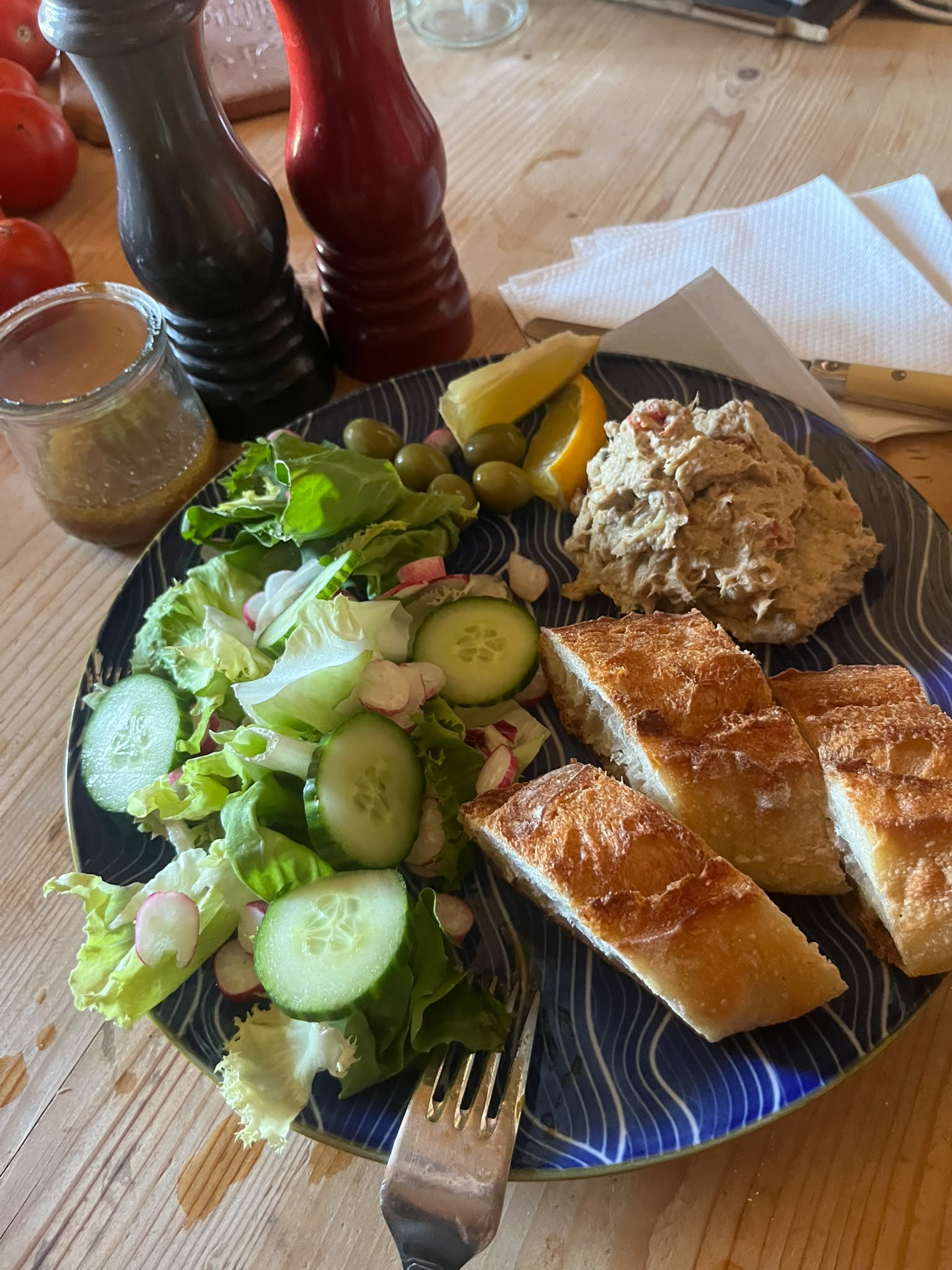
When I go out with my family and friends — although it does not happen very often — a good pâté, fish or liver also fish, poultry or animal liver would be on the list of my preferred choices. Whether in an old pub, a small café, or a quiet village restaurant, a tender, full‑flavoured pâté feels timeless: simple food, made with care, enjoyed slowly.
There is something deeply comforting about a slice of bread, a little butter, a few leaves of salad, and a pâté that carries the character of its ingredients. It can be rustic or refined, traditional or inventive, but it always invites you to pause, breathe, and savour.
This collection gathers the pâtés I prepare at home — light, flavourful spreads rooted in local produce and the quiet pleasure of sharing food with the people I love.
A Short History of Pâtés in Celtic & Northern Europe
Long before pâté became associated with French charcuterie, people across Celtic and northern Europe were already preparing variations of preserved fish and meat spreads. In coastal regions of Brittany, Cornwall, Ireland, and Scotland, families often baked or gently cooked fish with herbs, onions, and apples, then mashed it into a coarse paste to spread on bread. These early pâtés were practical: a way to use every part of the catch, to preserve food for a few days, and to create something nourishing from simple ingredients.
In Nordic countries, similar traditions existed. Fishermen mixed cooked fish with root vegetables, herbs, and sometimes fermented elements to create spreads that were easy to carry on long journeys. These rustic preparations were ancestors of modern pâtés — humble, flavourful, and deeply connected to the landscape.
Today, pâtés remain a celebration of local produce and traditional methods: slow cooking, careful seasoning, and the pleasure of sharing simple food with family and friends.